From chronic insomnia and sleep apnea to hypersomnia, parasomnias, movement disorders, pediatric sleep concerns, and sleep medication dependence, I treat the messy cases that do not fit into a five-minute template.
Patients usually arrive with a vague label like “bad sleep.” The real diagnosis is often more interesting, and more fixable, than that.
Classic insomnia, yes. But often with hyperarousal, medication effects, circadian disruption, or another sleep disorder hiding underneath.
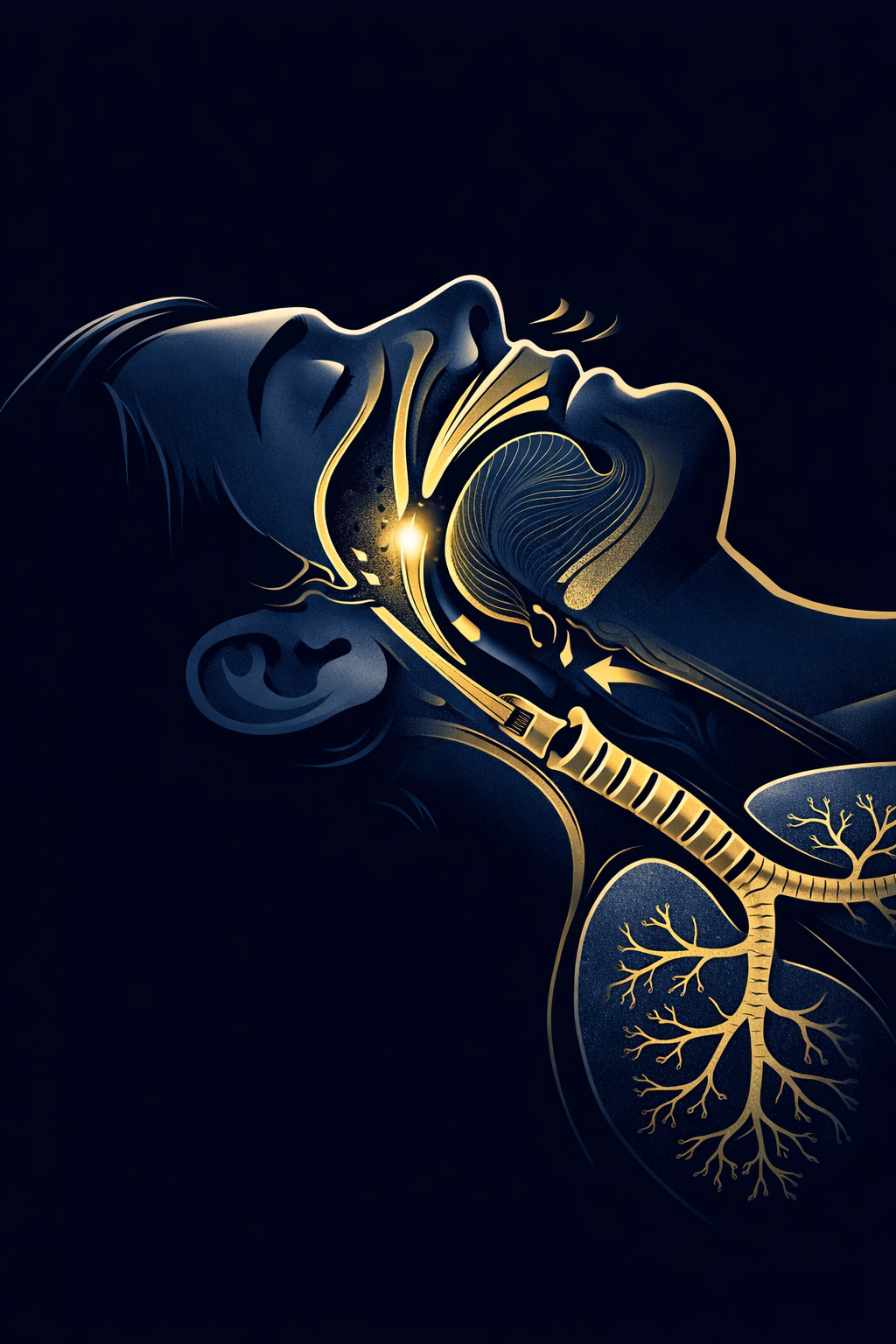
Obstructive sleep apnea is common, but it is not the whole story. Central apnea, upper-airway resistance, and complex sleep apnea all deserve proper attention.
That can point to fragmented sleep, hypersomnia, circadian misalignment, sleep-disordered breathing, or other disorders that are not obvious from a sleep diary alone.
Anxiety, conditioned arousal, trauma-related nightmares, pain, and medication effects love to masquerade as “just stress.” Convenient fiction, usually wrong.
Restless legs, periodic limb movements, sensory discomfort, or parasomnias can sabotage sleep quality and leave people feeling inexplicably miserable.
Delayed sleep phase, shift work issues, irregular sleep-wake patterns, and circadian disorders need more than generic sleep hygiene pamphlets. Shocking, I know.
Sleep medicine gets sloppy when everything is forced into a snoring-or-ambien binary. This practice is built for the cases that need actual thinking.
A detailed initial consultation to map symptoms, timing, medical history, medications, psychiatric factors, prior testing, and the patterns other clinics tend to miss.
Treatment may include behavioral work, home testing, medication simplification, device-based therapy, circadian interventions, or specialty referral when it is actually needed.
Complex sleep problems rarely resolve in one visit. We iterate, adjust, and keep going until the plan works in real life, not just in a note template.
I am a board-certified physician specializing in sleep medicine, with additional board certification and training in anesthesiology and addiction medicine. That combination matters when insomnia, medication dependence, breathing disorders, pain, anxiety, and fragmented sleep all pile together in the same patient.
Many people come to me after years of partial answers, failed treatments, or a diagnosis that never really fit. Those are exactly the cases I built EusomniaMD to treat.
A few of the conditions and problem clusters commonly evaluated and treated through EusomniaMD.
Persistent sleep-onset and sleep-maintenance insomnia, especially when it is tangled up with tolerance, rebound insomnia, anxiety, or failed prior treatment.
Breathing-related sleep disorders evaluated with attention to phenotype, symptom burden, prior therapy failures, and what to do when CPAP is not the whole answer.
Including excessive daytime sleepiness, sleep inertia, nightmares, REM behavior concerns, restless legs, movement disorders, and pediatric sleep complaints.
Reach out to schedule an initial consultation, ask a question, or find out whether your situation is a good fit.
(925) 204-6417
San Francisco Bay Area, California